Life in 2050: A Glimpse Into Our Technological Future


The year 2050 has become a symbolic milestone—an era when the innovations we imagine today may finally take shape. Although no one can predict the future with absolute certainty, emerging technologies already offer clues about how our world may transform. From flying cars and space tourism to advanced robotics and the metaverse, the everyday experience of living could be drastically different.
A New Urban Reality

In 2050, megacities such as New York, Tokyo, and Dubai could evolve into intelligent ecosystems powered by artificial intelligence and sustainable infrastructure. Skyscrapers may tower far beyond current heights, surrounded by autonomous flying vehicles navigating through layered transportation corridors.
City systems will likely communicate seamlessly, regulating energy flows, transit, and environmental quality with near-perfect efficiency.
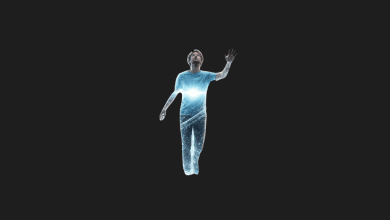
Buildings may adapt dynamically to their occupants—changing temperature, transparency, lighting, and even structural layout depending on user needs. Each home could be controlled through neural interfaces or holographic displays, making physical screens obsolete.
Transportation Above the Ground

Flying cars have long been a staple of science fiction, yet by 2050, they may be a daily reality. Powered by electric propulsion and guided by AI traffic networks, they may reduce commute times to minutes.
Meanwhile, magnetically levitated air-rail systems could connect continents, moving passengers faster than commercial jets with near-zero emissions.
Autonomy will dominate mobility. Human drivers may become rare as machines outperform them in every category—speed, safety, and efficiency.
Robots as Everyday Companions

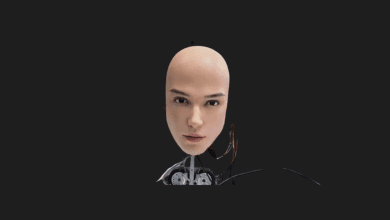
Robotics will advance far beyond industrial factories. In 2050, humanoid robots may walk freely among people, performing activities ranging from caregiving and education to emotional support and personal companionship.


Some individuals may choose robotic partners—friends, assistants, or even romantic counterparts—programmed with adaptive intelligence and emotional response systems. These androids may learn from their environment, forging deep, personal relationships that blur the boundary between human and machine.
Robotic presence will extend into healthcare, construction, agriculture, and emergency services. Their collaboration with humans will become not just useful, but essential.
Medicine Reimagined
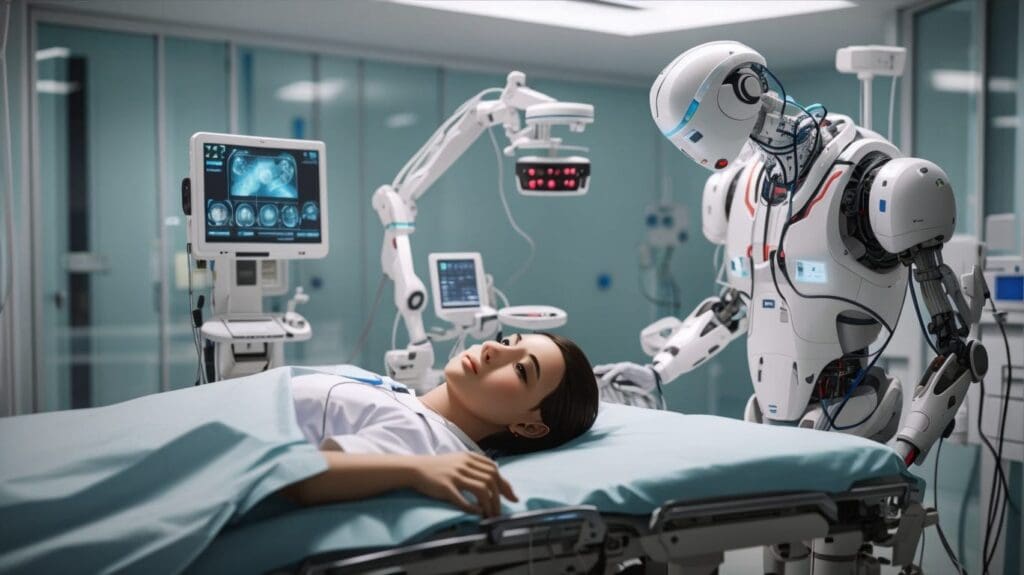
Medical science will likely embrace nanotechnology. Microscopic nanobots could circulate through the bloodstream, diagnosing infections, repairing tissues, and preventing disease long before symptoms arise.
Aging may slow dramatically as nanobots and gene therapies maintain cellular health, potentially pushing the human lifespan well beyond current expectations.
Personalized medicine will become the standard. Instead of generic treatments, AI-assisted diagnostics may create tailor-made solutions for each individual in real time.
3D Printing Everywhere

3D printing technology will reach maturity by 2050. Entire homes, vehicles, clothing, and even biological tissues could be printed on demand.
This level of customization will reduce waste, lower costs, and decentralize manufacturing. Instead of relying on massive factories, communities may print their own tools, appliances, and even food.
The fusion of 3D printing with biomaterials could allow people to regenerate organs when needed, eliminating long transplant waitlists.
Tourism Beyond Earth

Space tourism is expected to expand from the privilege of millionaires to an attainable experience for many.
Private space companies will establish orbital hotels, and lunar tourism may become the next luxury travel trend.
The most adventurous explorers could visit Mars—first as temporary guests, later as residents—participating in the early development of off-world settlements.
These journeys will reshape humanity’s identity, transforming us from a planetary species into an interplanetary one.
A Metaverse-Enhanced Life

The metaverse—once an emerging digital frontier—may evolve into a parallel world indistinguishable from physical reality. Neural interfaces and ultra-high-resolution holographics could allow people to work, learn, socialize, and even travel in digital environments that feel physically authentic.
Education will be immersive. Students may explore ancient civilizations, dissect virtual organisms, or conduct experiments on alien planets—all in real time.
Workplaces may shift into hybrid forms where physical and virtual presence seamlessly merge.
Personal identity will expand. Individuals could maintain multiple digital lives—each customized for different social, professional, or creative contexts.
Ethics and Identity in Transition
These advancements will raise profound ethical questions.
If robots can think and feel, what defines humanity?
If aging fades and death becomes optional, how do we measure the value of time?
If virtual worlds become as important as physical life, which one will matter more?
Such dilemmas will define the philosophical landscape of 2050.
Conclusion: The Future Is Ours to Shape
The world of 2050 will be unfamiliar—but not unrecognizable.
Technology will reshape our bodies, relationships, cities, and even our understanding of reality itself. Yet our future remains in our hands. Whether these developments lead to a brighter, more balanced world or a fragmented, artificial one will depend on the choices we make today.
You Might Also Like;